Schumann Resonance Today
Live 7.83 Hz Earth Frequency Monitor

Track the electromagnetic resonance of the Earth and connect with the cosmic rhythm of our planet.

7.83 Hz is Earth's natural electromagnetic heartbeat. We track it live, alongside solar storms and geomagnetic activity. Higher "Energy" = more disturbed field, often during solar flares.

Right now · live
NOAA SWPC · USGS · Tomsk

Composite scoring · How this is calculated →

Right now on Earth: Schumann amplitude calm, Kp-index 2.3 (Quiet), X-ray flux C1.3, composite Earth-energy score 27 of 100 (Balanced). Last solar flare C2.1 (2 h ago). M4.5+ earthquakes in past 24h: 5, max M4.9 Pitcairn Islands region. Updated .

Discover the site

Schumann Resonance Live

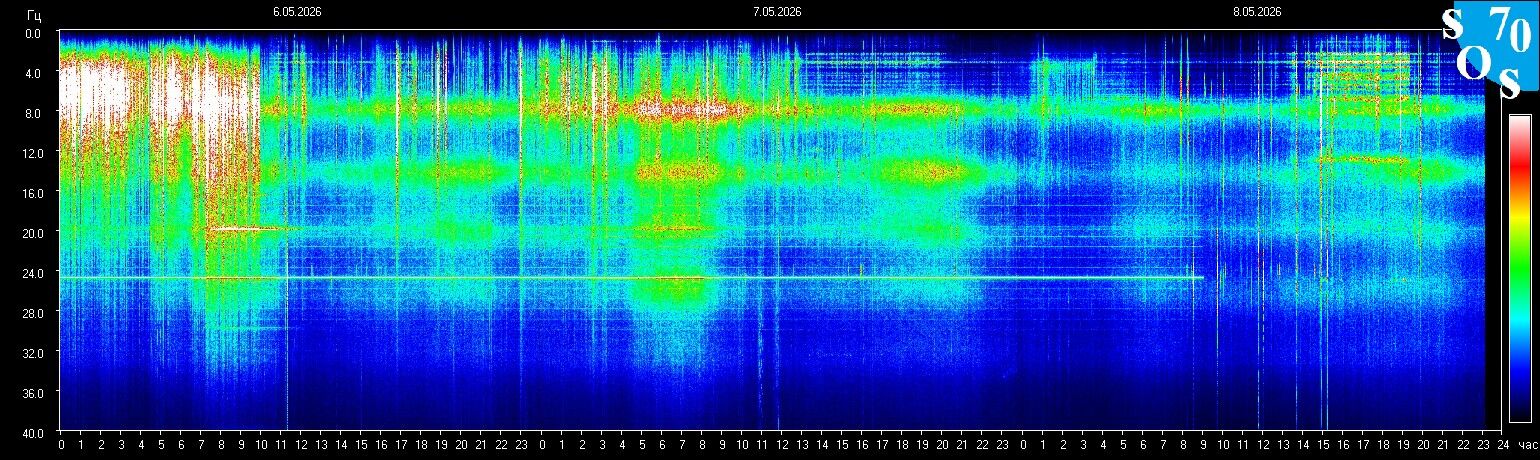
Live Schumann Resonance spectrogram from Tomsk State University, Russia — last 24h

Last 24h · Tomsk State University · auto-refreshes every 60 s

Community Pulse — Today's Top 10

Cosmic Data — Space Weather

Solar flares · last 7 days

Cosmic Now

Moon Phase

80%

Waning Gibbous

Gratitude and sharing wisdom

World Time

UTC
06:20:41
UniversalWed, Jun 3
EST
02:20:41
New YorkWed, Jun 3
GMT
07:20:41
LondonWed, Jun 3
CET
08:20:41
BerlinWed, Jun 3
KRAT
13:20:41
TomskWed, Jun 3
JST
15:20:41
TokyoWed, Jun 3

Solar Observation

NOAA GOES SUVI — live solar imagery

spacemonitor.io
SUVI 131 Å — Hottest coronal structures
131 Å

Hottest coronal structures

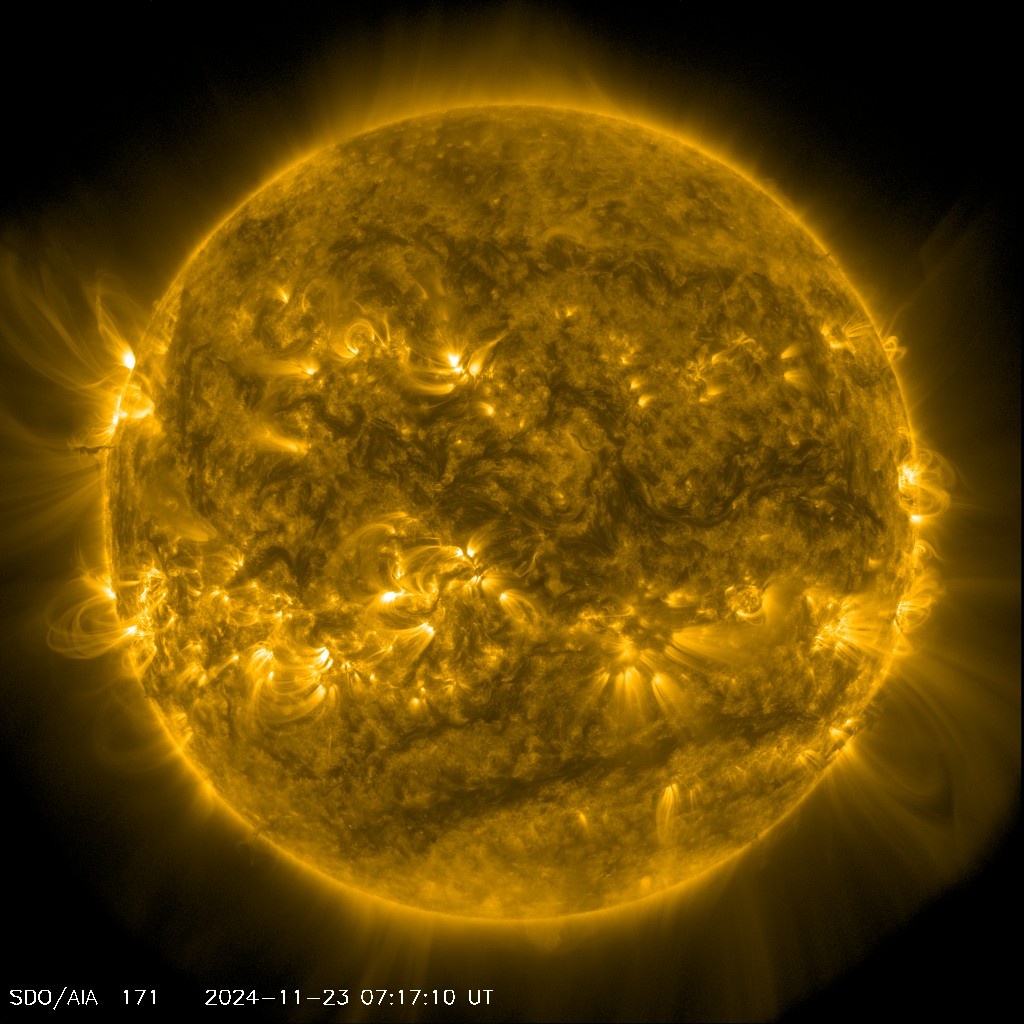
SUVI 171 Å — Quiet corona
171 Å

Quiet corona

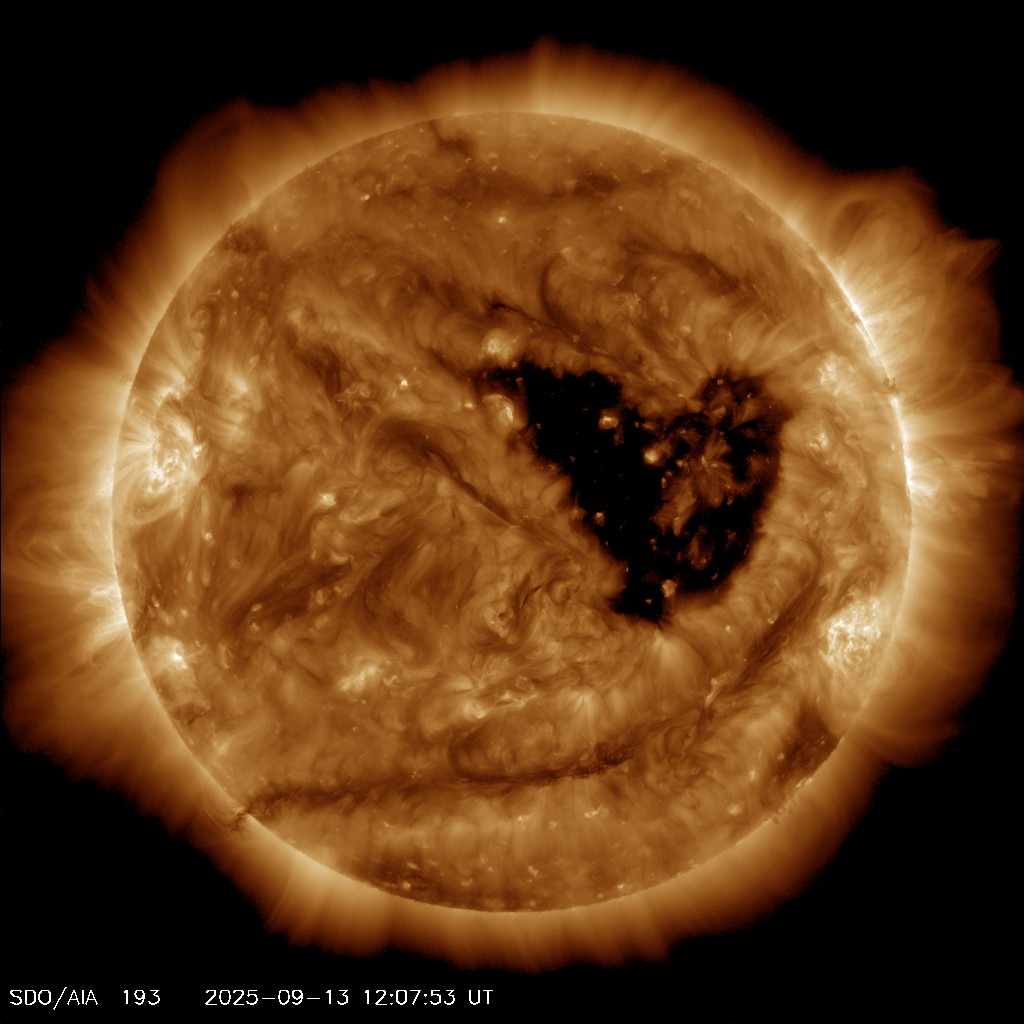
SUVI 193 Å — Coronal holes and structures
193 Å

Coronal holes

SUVI 304 Å — Chromosphere and prominences
304 Å

Chromosphere & prominences

Aurora Forecast

NOAA OVATION model — aurora oval probability

swpc.noaa.gov
Aurora Borealis forecast — OVATION model, Northern Hemisphere
Northern Hemisphere

The further south the oval extends, the further south auroras are visible. Scandinavia from Kp 3, northern Germany from Kp 6–7, central Europe from Kp 8+.

Aurora Australis forecast — OVATION model, Southern Hemisphere
Southern Hemisphere

Mirror of the northern oval. Mostly visible across Antarctica, the southern tip of New Zealand, and Tasmania.

Schumann Resonance — Cumiana Station

Second monitoring station — Cumiana, Italy

vlf.it
Cumiana station — geophone and electric field plot
Geophone & E-field

Live ELF readings from the Cumiana observatory. A useful cross-reference to the Tomsk station — for solid claims always compare at least two sources.

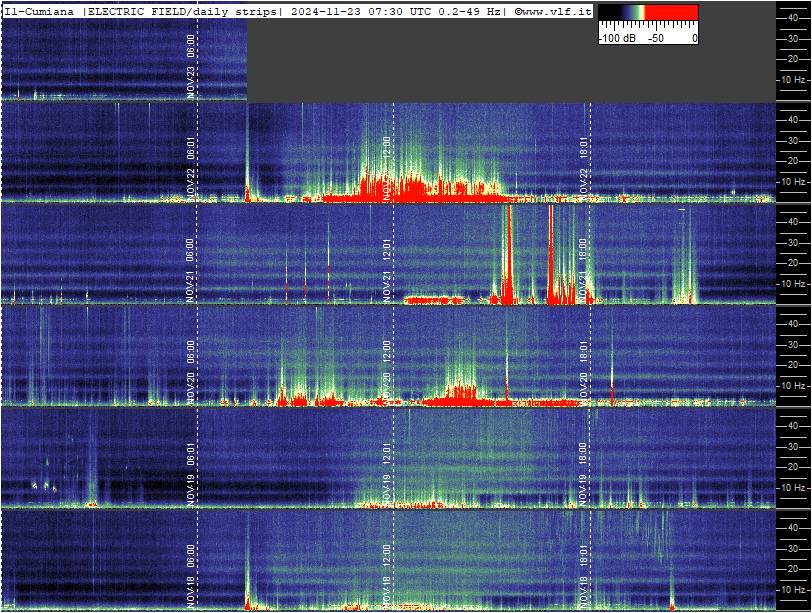
Cumiana station — daily strip chart
Daily strip

24-hour view of the Schumann band measured in Italy. Local interference is common, so individual spikes alone aren't enough to call a global event.

Ionosphere

Ionosphere status — absorption, electron density, blackout risk

NOAA SWPC
D-Region Absorption — shortwave radio fadeouts caused by X-ray flux
D-RAP — Absorption

D-Region Absorption product. Red areas = shortwave radio fadeouts caused by strong X-ray emission from solar flares.

Total Electron Content — global ionosphere map
TEC — Electron density

Total Electron Content. High values affect GPS accuracy and correlate with short-term shifts in Schumann amplitude.

Radio Blackout forecast — shortwave status R1 to R5
Radio Blackout

Levels R1 (minor) through R5 (extreme). Shows shortwave radio fadeouts on the daylit side. Duration: minutes to hours.

Seismic & Volcanic Activity

Earthquakes & volcanoes — last 24–48 hours worldwide

USGS · spacemonitor.io
M4.5+ earthquakes · last 24h
Latest earthquakes worldwide — past 24 to 48 hours
Earthquakes worldwide

Past 24–48 hours. Dots show location, magnitude and depth. Most earthquakes cluster along tectonic plate boundaries.

Seismic activity level
Activity level
Earthquake statistics — last 24 hours
24 hours
Earthquake statistics — last 30 days
30 days
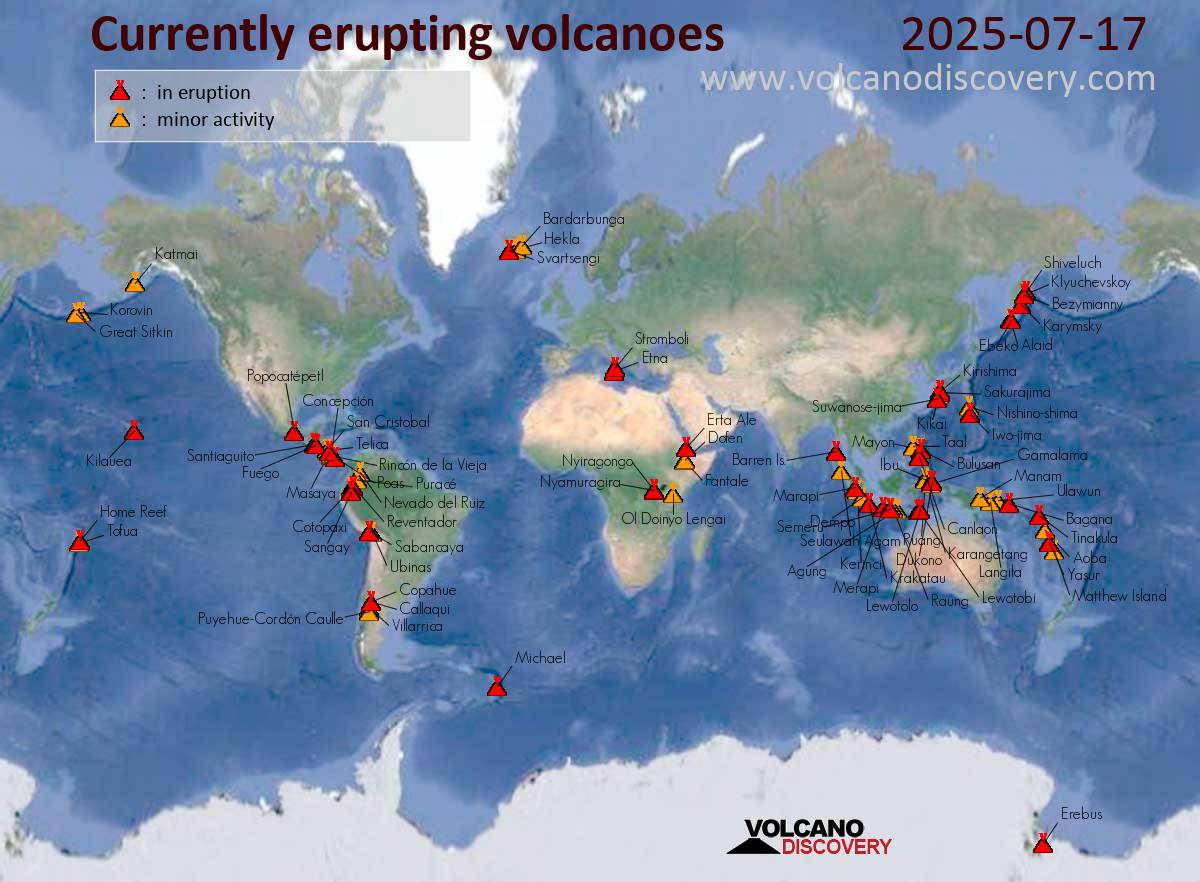
Active volcanoes worldwide — current eruption status
Active volcanoes

Around 1,500 active volcanoes worldwide, with 20–30 erupting at any given time. Major eruptions can briefly perturb the ionosphere and the Schumann resonance.

Daily Insight

Today's reading · active

Solar Surge Meets Quiet Geomagnetic Ground

An M9.3 X-ray flare signals heightened solar activity, yet the Kp index holds at a modest 2.00 — a tension worth tracking for focus and sleep tonight.

Read More

All articles →

Tools

Explore the Project

Frequently Asked Questions

What is the Schumann Resonance? +

The Schumann Resonance is the electromagnetic frequency of the Earth, vibrating at approximately 7.83 Hz. Discovered by physicist Winfried Otto Schumann in 1952, it is often called the 'heartbeat of the Earth' — a set of natural electromagnetic waves generated by lightning discharges in the cavity between Earth's surface and the ionosphere.

How does the Schumann Resonance affect humans? +

Research suggests the Schumann Resonance influences human well-being, sleep patterns, mental clarity, and consciousness. Many people report feeling more grounded when the frequency is stable, while spikes during solar storms can correlate with fatigue, headaches, or heightened intuition.

What is the normal frequency? +

The fundamental frequency is approximately 7.83 Hz, with harmonic peaks near 14.3, 20.8, 27.3, and 33.8 Hz. These naturally fluctuate and can spike during solar flares and geomagnetic storms.

Why is it called Earth's heartbeat? +

Because it is a constant electromagnetic pulse that has surrounded all life on Earth for hundreds of millions of years — a planetary rhythm we evolved within.

How can I track it today? +

Right here. We refresh the live Tomsk spectrogram every minute, pull the Kp-index and X-ray flux from NOAA SWPC, and publish a daily energy report.

When the field gets loud

Seven minutes when nobody wants anything from you.

A guided audio practice for the days the field gets loud. With binaural 7.83 Hz earth-frequency in the background. 6-page companion PDF.

See the 7-Min Reset · $11

Audio + PDF · instant download · 14-day money-back